
Synonyms for Distinctive: 27 Synonyms & Examples
Some words do more than describe. They help you pick one person, place, or thing out from the rest. Distinctive is one of those words. A distinctive voice, smell, or style is easy to spot and hard to mix up with any other. This guide gives you 27 clear options, grouped by meaning, so you can choose the word that fits your sentence best.
At a Glance: distinctive Synonyms and Related Alternatives
| Alternative | Part of Speech | Meaning | Register/Tone | Ideal Context |
|---|---|---|---|---|
| characteristic | adjective / noun | typical of a person or thing | neutral | general traits and habits |
| distinguishing | adjective | serving to mark a clear difference | neutral to formal | reports, essays, descriptions |
| identifying | adjective | helping you name or spot something | neutral | signs, marks, features |
| signature | adjective / noun | closely linked to one person | neutral | style, food, design |
| unique | adjective | the only one of its kind | neutral | people, places, works |
| individual | adjective | for one person, not shared | neutral | style, taste, needs |
| striking | adjective | very easy to notice | neutral | looks, art, design |
| recognizable | adjective | easy to know again | neutral | faces, voices, brands |
| peculiar | adjective | odd or special to one group | neutral | taste, habits, local traits |
| unmistakable | adjective | impossible to confuse with another | neutral to strong | sounds, smells, styles |
Which Word Should You Use?
| If you want to… | Use | Why |
|---|---|---|
| name a trait that marks a thing | characteristic | It is the safest direct choice. |
| stress that a feature sets it apart | distinguishing | It points to the key difference. |
| talk about a style tied to one person | signature | It links the trait to its owner. |
| say there is only one like it | unique | It means one of a kind. |
| describe a look that grabs the eye | striking | It stresses strong visual impact. |
| say people can spot it at once | recognizable | It is about being known again. |
| describe an odd, local trait | peculiar | It can mean special or a bit strange. |
| leave no room for doubt | unmistakable | It is the strongest choice here. |
Exploring the Multiple Meanings of “distinctive”
1. Serving to Identify Something
- Meaning: Having a quality that helps you name or spot a person or thing.
- Explanation: This is the core sense. The trait works like a label. It tells you which one it is.
- Example: The bird has a distinctive red stripe on its wing.
2. Making Something Different From Others
- Meaning: Having a quality that sets something apart from all others.
- Explanation: The focus is on difference. Two things may be alike, but the distinctive part is not shared.
- Example: Each chef in the show has a distinctive way of cooking rice.
3. Strong and Clear in Style
- Meaning: Having a strong, clear style that people notice and recall.
- Explanation: Writers and artists often use this sense. It praises a style that is both clear and personal.
- Example: She writes in a distinctive voice that is calm and sharp at once.
Sources: Merriam-Webster | Dictionary.com | Collins Dictionary
Analyzing 27 distinctive Alternatives in Detail
Signs That Mark Identity
1. characteristic
IPA: US /ˌker.ək.təˈrɪs.tɪk/ UK /ˌkær.ək.təˈrɪs.tɪk/
Definition: Typical of a person, place, or thing, and part of what it is.
- Usage: Direct synonym, use it when a trait is typical and helps define the thing.
- Example: A warm smile is characteristic of the host.
2. distinguishing
IPA: US /dɪˈstɪŋ.ɡwɪ.ʃɪŋ/ UK /dɪˈstɪŋ.ɡwɪ.ʃɪŋ/
Definition: Serving to show the difference between one thing and another.
- Usage: Direct synonym, best for the one feature that sets something apart.
- Example: The distinguishing mark on the bag is a small gold star.
3. identifying
IPA: US /aɪˈden.tə.faɪ.ɪŋ/ UK /aɪˈden.tɪ.faɪ.ɪŋ/
Definition: Helping you name, spot, or prove what something is.
- Usage: Direct synonym in context, use it for marks, signs, or details used to identify.
- Example: Police noted an identifying scar on his left hand.
4. defining
IPA: US /dɪˈfaɪ.nɪŋ/ UK /dɪˈfaɪ.nɪŋ/
Definition: Most important in shaping the nature of a person or thing.
- Usage: Related alternative, it stresses the most key trait, not just any clear trait.
- Example: Trust was the defining trait of their team.
5. signature
IPA: US /ˈsɪɡ.nə.tʃɚ/ UK /ˈsɪɡ.nə.tʃər/
Definition: Closely linked to one person, so it shows who made or owns it.
- Usage: Related alternative, use it as an adjective for a style tied to one person, as in signature dish.
- Example: The soup is the chef’s signature dish.
6. trademark
IPA: US /ˈtreɪd.mɑːrk/ UK /ˈtreɪd.mɑːk/
Definition: A feature so linked to a person that it acts like their personal mark.
- Usage: Related alternative, in this sense it is figurative, not the legal mark for a brand.
- Example: Her short jokes became her trademark in class talks.
7. emblematic
IPA: US /ˌem.bləˈmæt̬.ɪk/ UK /ˌem.bləˈmæt.ɪk/
Definition: Serving as a clear symbol of a group, idea, or quality.
- Usage: Related alternative, formal; use it when a trait stands for something larger.
- Example: The white tower is emblematic of the old town.
Unique and Different
8. unique
IPA: US /juːˈniːk/ UK /juːˈniːk/
Definition: The only one of its kind, unlike anything else.
- Usage: Related alternative, it is stronger than distinctive; it claims there is no other like it.
- Example: Each print in the set has a unique pattern.
9. individual
IPA: US /ˌɪn.dəˈvɪdʒ.u.əl/ UK /ˌɪn.dɪˈvɪdʒ.u.əl/
Definition: Belonging to one person or thing, not shared by a group.
- Usage: Related alternative, use it to stress personal or separate character.
- Example: The coach gave each player an individual plan.
10. singular
IPA: US /ˈsɪŋ.ɡjə.lɚ/ UK /ˈsɪŋ.ɡjə.lər/
Definition: Remarkable, unusual, and standing out from the rest.
- Usage: Related alternative, formal; it can also mean single, so check the context.
- Example: He showed singular skill in solving hard sums.
11. uncommon
IPA: US /ʌnˈkɑː.mən/ UK /ʌnˈkɒm.ən/
Definition: Not often seen or found.
- Usage: Related alternative, it stresses rarity, not identity on its own.
- Example: It is uncommon to see snow in this town.
12. original
IPA: US /əˈrɪdʒ.ən.əl/ UK /əˈrɪdʒ.ən.əl/
Definition: New, fresh, and not copied from others.
- Usage: Related alternative, use it for new ideas and work, not just clear traits.
- Example: Her original design won praise from the judges.
13. special
IPA: US /ˈspeʃ.əl/ UK /ˈspeʃ.əl/
Definition: Different from the usual, and valued for that reason.
- Usage: Related alternative, broad and weak on its own; add detail to make it clear.
- Example: The shop sells a special tea for winter days.
14. particular
IPA: US /pɚˈtɪk.jə.lɚ/ UK /pəˈtɪk.jə.lər/
Definition: Belonging to one specific person, thing, or case.
- Usage: Related alternative, use it to point to one case, not a general trait.
- Example: That particular song reminds me of home.
15. specific
IPA: US /spəˈsɪf.ɪk/ UK /spəˈsɪf.ɪk/
Definition: Clearly defined and limited to one thing.
- Usage: Related alternative, it stresses exact detail, not a marking trait by itself.
- Example: Please give a specific time for the meet.
Easy to Notice and Remember
16. striking
IPA: US /ˈstraɪ.kɪŋ/ UK /ˈstraɪ.kɪŋ/
Definition: Very easy to notice because it is strong or unusual.
- Usage: Related alternative, it stresses visual impact, not identity alone.
- Example: The house has a striking blue door.
17. recognizable
IPA: US /ˈrek.əɡ.naɪ.zə.bəl/ UK /ˈrek.əɡ.naɪ.zə.bəl/
Definition: Easy to know again when you see or hear it.
- Usage: Direct synonym in context, use it when people can spot it again with ease.
- Example: His laugh is loud and easily recognizable.
18. memorable
IPA: US /ˈmem.ɚ.ə.bəl/ UK /ˈmem.ər.ə.bəl/
Definition: Easy to recall because it is special or strong.
- Usage: Related alternative, it is about memory, not a defining trait alone.
- Example: The trip gave us a memorable sunset view.
19. notable
IPA: US /ˈnoʊ.t̬ə.bəl/ UK /ˈnəʊ.tə.bəl/
Definition: Worth noting because it stands out or matters.
- Usage: Related alternative, formal; use it for points worth a mention in a report.
- Example: The plan had one notable flaw.
20. eye-catching
IPA: US /ˈaɪˌkætʃ.ɪŋ/ UK /ˈaɪˌkætʃ.ɪŋ/
Definition: Attracting the eye at once because of colour or shape.
- Usage: Related alternative, only for things you can see, not sounds or smells.
- Example: The poster used eye-catching red letters.
21. unmistakable
IPA: US /ˌʌn.məˈsteɪ.kə.bəl/ UK /ˌʌn.mɪˈsteɪ.kə.bəl/
Definition: So clear that it cannot be confused with any other.
- Usage: Direct synonym in strong contexts, use it when there is no doubt at all.
- Example: The smell of fresh mint is unmistakable.
Personal, Typical, and Odd Traits
22. vivid
IPA: US /ˈvɪv.ɪd/ UK /ˈvɪv.ɪd/
Definition: Strong, bright, and clear in a way that forms a sharp image.
- Usage: Related alternative, use it for descriptions, colours, and memories, not traits alone.
- Example: She gave a vivid account of the storm.
23. peculiar
IPA: US /pɪˈkjuːl.jɚ/ UK /pɪˈkjuː.li.ər/
Definition: Belonging only to one person, place, or group; also, a bit odd.
- Usage: Direct synonym in its first sense, note it can sound like a mild criticism, so use with care.
- Example: A peculiar accent marks people from that valley.
24. typical
IPA: US /ˈtɪp.ɪ.kəl/ UK /ˈtɪp.ɪ.kəl/
Definition: Showing the normal traits of a type or group.
- Usage: Related alternative, it points to what is normal for a group, not what sets one item apart.
- Example: A cold morning is typical of January here.
25. representative
IPA: US /ˌrep.rɪˈzen.t̬ə.t̬ɪv/ UK /ˌrep.rɪˈzen.tə.tɪv/
Definition: Acting as a fair example of a group or type.
- Usage: Related alternative, use it for samples and examples, not personal style.
- Example: This house is representative of old homes in the area.
26. idiosyncratic
IPA: US /ˌɪd.i.oʊ.sɪŋˈkræt̬.ɪk/ UK /ˌɪd.i.ə.sɪŋˈkræt.ɪk/
Definition: Peculiar to one person in a way that is personal and unusual.
- Usage: Related alternative, formal; use it for personal habits and styles.
- Example: His idiosyncratic way of filing notes surprised new staff.
27. quirky
IPA: US /ˈkwɝː.ki/ UK /ˈkwɜː.ki/
Definition: Unusual in a fun, charming, or odd way.
- Usage: Related alternative, informal and warm; use it for playful odd traits, not formal reports.
- Example: The café has a quirky charm that guests love.
Distinctive vs. Distinct
| Point | Distinctive | Distinct |
|---|---|---|
| Core meaning | serving to identify and make recognizable | separate, different, or clearly seen |
| Main question | What makes it recognizable? | Is it separate from that? |
| Focus | a trait that marks identity | a split or clear difference between things |
| Example | a distinctive voice | two distinct groups |
| Tone | often positive, about style or identity | neutral, about fact and clarity |
| Common error | used when you only mean different | used when you mean a marking trait |
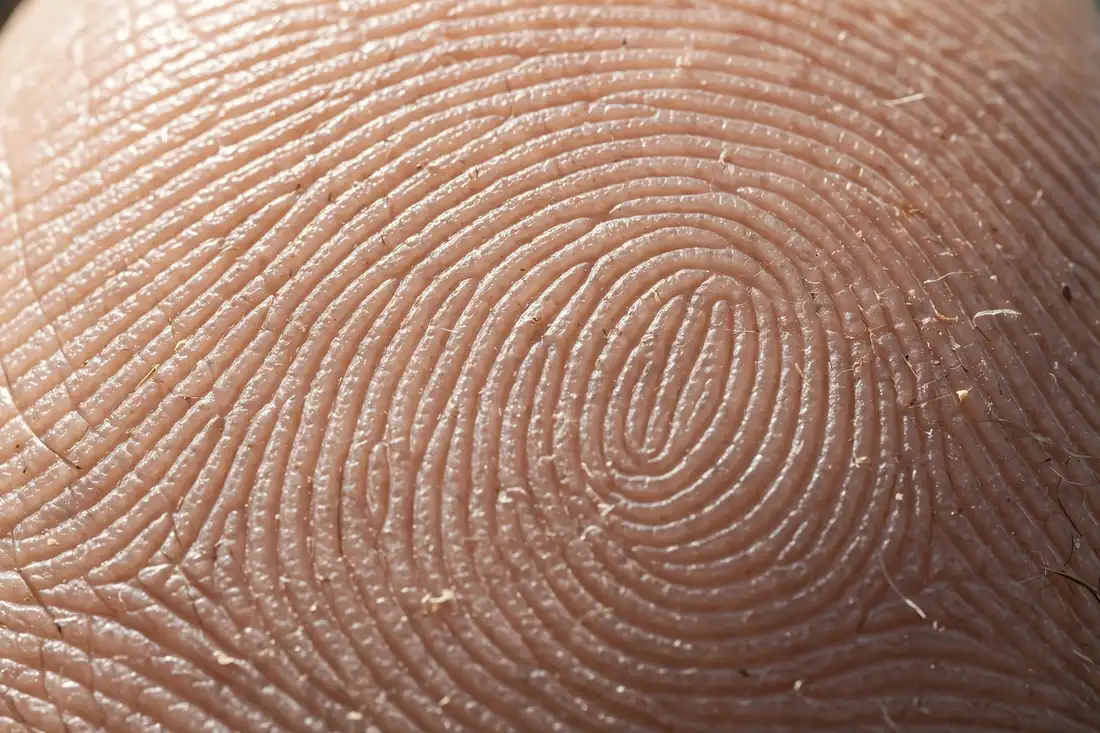
Distinct and distinctive look alike, but they do not do the same job. Distinct means separate or different from something else, or clear to the senses. You can talk about two distinct flavours in one dish. Distinctive means serving to identify. A distinctive trait is the mark that lets you pick a thing out and name it. For a smart take on how word choice shapes style, see Synonyms for Chic: 28 Stylish Words to Know.
Distinctive and Opposite/Paired Word Pairs
| Word | Paired Word | Note |
|---|---|---|
| distinctive | ordinary | Ordinary traits do not set a thing apart. |
| distinctive | common | Common means shared by many, not marking one. |
| distinctive | indistinct | Indistinct means not clear to see or hear. |
| distinctive | generic | Generic fits a whole group, with no special mark. |
| distinctive | typical | Typical shows the norm; distinctive shows the mark. |
| distinctive | unremarkable | Unremarkable is not worth noting or recalling. |
Common Word Partners of “distinctive”
| Pattern | Common Partners | Example |
|---|---|---|
| distinctive + noun (trait) | feature, style, voice, flavor, smell | The soup has a distinctive flavor of lemon. |
| distinctive + noun (design) | design, pattern, shape, colour | The rug has a distinctive pattern of stars. |
| highly / very + distinctive | highly distinctive, very distinctive | Her handwriting is highly distinctive. |
| distinctive + enough to… | enough to recognize, enough to stand out | The mark is distinctive enough to spot at once. |
| a distinctive brand of… | humour, charm, style | He has a distinctive brand of dry humour. |
Related Articles
- Synonyms for Chic: 28 Stylish Words to Know
- Synonyms of Committed: 30 Strong Words to Know
- Synonyms for Beliefs: 21 Meaningful Words to Know
- Synonyms of Understanding: 32 Words With Examples
- Synonyms for Fragile: 24 Gentle Words With Examples
Idiomatic Phrases Featuring “distinctive”
These are established expressions and common patterns, not true idioms in most cases. Distinctive rarely forms a fixed idiom on its own.
- A distinctive voice, an established phrase in writing and music for a style no one can copy with ease.
- Distinctive features, a set phrase in reports and forms for the marks that help identify a person or thing.
- A distinctive brand of (humour / charm), a common pattern that links a type of humour or charm to one person.
- Stand out from the crowd, a true idiom often used with distinctive, meaning to be clear and different from others.
Word Formation of “distinctive”
Etymology & Structure
Distinctive comes from distinct plus the suffix -ive, which means having the nature of. Distinct itself comes from Latin distinctus, the past form of distinguere, meaning to separate or mark off. So the word is built from the idea of marking a thing off from the rest.
Date and History
Distinct came into English in the late 1300s and early 1400s from Latin and French. Distinctive came later, in the 1700s, when writers needed a word for a trait that serves to identify. Its use grew with science, where clear marks help name plants, birds, and rocks.
Word Class Variations
Distinctive is an adjective. The noun form is distinctiveness, meaning the quality of being easy to identify. The adverb is distinctively, as in distinctively dressed. The base adjective distinct and the noun distinction are close word-family members, but they carry the wider sense of separation and difference.
Sources: Etymonline | Merriam-Webster
Common Word-Choice Mistakes
- Using distinctive when you only mean distinct. If you mean two separate things, use distinct.
- Using unique for every distinctive trait. Unique means the only one; do not use it if more exist.
- Calling a trait distinctive but not naming it. Always say what the mark is.
- Using peculiar as praise without care. It can sound like odd or strange.
- Using signature as a noun when you need an adjective sense. Check the grammar of the sentence.
- Repeating distinctive in each line. Vary your words with characteristic, striking, or recognizable.
Frequently Asked Questions
What is the closest synonym for distinctive?
Characteristic is the closest general synonym. Distinguishing is also very close when one feature sets a thing apart.
Is distinctive the same as distinct?
No. Distinct means separate or different. Distinctive means serving to identify, so it makes a thing recognizable.
Can a person be distinctive?
Yes. A person can have a distinctive voice, style, or way of speaking that people spot at once.
Is distinctive always positive?
No. It is neutral. A distinctive smell can be pleasant or unpleasant. Context shows the tone.
What is the opposite of distinctive?
Ordinary and indistinct are common opposites. Generic also works for products and designs.
How do you use distinctive in a sentence?
Name the trait. For example: The shop has a distinctive green sign that all locals know.
Is unique stronger than distinctive?
Yes. Distinctive means easy to identify. Unique means the only one of its kind, which is a stronger claim.
What part of speech is distinctive?
It is an adjective. The noun form is distinctiveness and the adverb form is distinctively.
Can food be distinctive?
Yes. Food can have a distinctive flavor, taste, or smell that sets it apart from other dishes.

Conclusion
Distinctive is the right word when a trait helps you spot and name a thing. Keep distinct for things that are merely separate or different. That one small choice will make your writing much more exact.
For traits that are about faith and trust in a person, you may also like Synonyms of Committed: 30 Strong Words to Know. Used well, these words help readers see the mark that makes each person or thing its own.

Dawood Ahmad
Founder & Editorial Director
I’m the founder and editorial director of this vocabulary series. I’ve spent over 35 years in pharmaceutical and healthcare marketing across Pakistan, the UAE, and the USA, where I launched 200+ brands and earned two Guinness World Records. That work taught me one lesson again and again: the right word builds trust, and the wrong one loses it. I set the plain-English standard for every guide here, so you can use new words the same day you learn them.